The Know How You Need & the Tools to Get You There... Get Certified >

Mini Episode: When Everyone Wants the VP Role: Ambition Isn’t the Same as Fit



When several capable people want the same leadership role, the best decision comes from clearly defining what the position requires and evaluating each person’s true fit—not simply rewarding ambition, tenure, or visibility.
TOP 3 TAKEAWAYS
- 1. Wanting the role does not automatically mean someone is suited for it. Ambition can be valuable, but desire alone does not tell you whether a person has the judgment, leadership approach, emotional maturity, or personal skills the position requires. Someone may genuinely want the promotion and still be a better fit for a different path.
- 2. Define the role before comparing the people. Promotion decisions become emotional and political when leaders begin with the candidates instead of the job. First identify what success in the VP role actually demands—its priorities, challenges, leadership expectations, and critical competencies. Then evaluate each person against that standard.
- 3. A thoughtful decision protects both the organization and the candidates. Promoting the wrong person can damage performance, relationships, and confidence across the team. A clear, job-related process makes the decision easier to explain and gives every candidate useful insight into their strengths, gaps, and future development.
KEY QUOTES
- “Wanting the VP role and being the best fit for the VP role are not always the same thing.”
- “You have to define the job before you start deciding which person should have it.”
- “The loudest, most visible, or most ambitious candidate is not automatically the right leader.”
- “A promotion should not be a reward for doing well in the job someone already has.”
- “The real question is not, ‘Who deserves it?’ The real question is, ‘Who best matches what this role requires?’”
- “When the expectations are clear, the decision becomes less personal and much more defensible.”
PRACTICAL APPLICATION
Before discussing candidates for an important promotion, create a one-page success profile for the position. Identify:
- The most important outcomes the person must deliver.
- The leadership and decision-making skills the role requires.
- The behaviors needed to work effectively with the team.
- The internal motivations that will help someone remain engaged.
- The experience and knowledge that are truly necessary.
- The culture, manager, and organizational environment in which the person will operate.
Then compare each candidate to the role using multiple sources of information, including performance history, behavioral examples, interviews, references, and assessment results. Assessments should inform the discussion, but they should represent less than 30 percent of the final decision.
Finally, meet individually with each candidate. Explain the decision clearly, recognize the strengths they bring, and provide specific development guidance—especially for strong employees who were not selected. A well-managed promotion process should strengthen the leadership pipeline rather than leave several valuable people feeling dismissed.
EPISODE RESOURCES:
LinkedIn Article: What Happens When Everyone on Your Team Wants the Same VP Role?
Connect with Suzie Price:
- LinkedIn: Suzie Price Priceless Professional Development Wake Up Eager Podcast
- Learn how TriMetrix helps you understand how you’re wired as a leader: www.pricelessprofessional.com/whatistrimetrix
- Already have a TriMetrix assessment? Access your debrief tools here: www.pricelessprofessional.com/myassessment
Podcast:
Newsletter:

Episode Topics
About Priceless Professional Development
We help you use the science in the TriMetrix Assessment to reduce drama and build an energetic, committed wake up eager workforce.
Our work helps reduce turnover and improve your productivity.

Have you ever hired the wrong person and lived to
regret it?
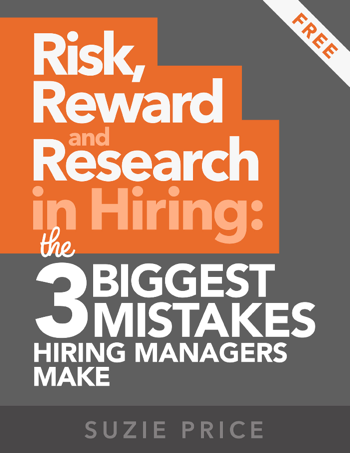
Sign up for our monthly newsletter and you'll get this FREE GUIDE, "Risk, Reward and Research in Hiring" on the three biggest mistakes interviewers make.
Don’t miss our newsletters, blogs or podcasts...