The Know How You Need & the Tools to Get You There... Get Certified >

Wake Up Eager Starts the Night Before with Dr. Nicole Williams



Wake Up Eager really does start the night before. In this episode, Suzie Price talks with Dr. Nicole Williams about why sleep is not a luxury, a weakness, or something high performers can simply “push through.” Dr. Nicole explains how poor sleep affects mood, focus, hormones, weight, stress, executive function, and long-term health. She also shares simple, practical ways to restore better sleep, including consistent wake times, smarter caffeine habits, evening downshifting, hydration, light management, and nervous system regulation.
TOP 3 TAKEAWAYS
- 1. Sleep is a performance strategy, not a badge of honor. Dr. Nicole challenges the idea that being exhausted, overbooked, or surviving on too little sleep proves commitment or productivity. She explains that well-rested people often perform better because their brain, body, mood, and focus have more capacity.
- 2. A good night’s sleep starts early in the day. Sleep restoration is not only about what happens at bedtime. Dr. Nicole emphasizes the importance of consistent wake and sleep times, morning hydration, caffeine cutoffs, sunlight, movement, and taking breaks during the day so the nervous system does not stay stuck in overdrive.
- 3. “Tired but wired” is a sign your nervous system needs a downshift. If your body is exhausted but your brain will not stop, Dr. Nicole recommends an intentional evening routine. Dimming lights, avoiding blue light, journaling, doing a brain dump, keeping the room cool, and creating a calmer transition into bedtime can help the body move into rest-and-repair mode.
KEY GUEST QUOTES
- “By optimizing sleep, you optimize performance.”
- “It’s about the quality of what we’re doing, not necessarily the quantity of what we’re doing.”
- “Your good night’s sleep actually starts with how you wake up.”
- "Hydrate before you caffeinate.”
- “A lot of people are tired, but wired.”
- “When we are sleep deprived, executive functioning is one of the first things that gets affected.”
- “Good sleep allows you to show up in the rooms that matter most.”
- “Healthy, consistent, good quality sleep has a trickle-down effect into so many other areas of your life.”
PRACTICAL APPLICATION
- Pick a consistent
wake-up time and protect it.
Start by anchoring your day with a regular wake time, even on weekends when possible. - Hydrate before
caffeine.
Drink water first thing in the morning before coffee or tea. Dr. Nicole suggests using hydration as a natural way to increase energy before reaching for stimulants. - Set a caffeine cutoff.
Because caffeine has a long half-life, Dr. Nicole recommends cutting it off by noon, especially if sleep quality is an issue. - Create a 30- to
60-minute evening downshift.
Dim lights, step away from screens, journal, read something calming, take a warm shower, or use a simple bedtime routine to tell your body it is safe to sleep. - Do a brain dump before
bed.
Write down open loops, next-day priorities, concerns, and unfinished thoughts so your mind does not try to process them at 2 a.m. - Protect melatonin
production.
Keep the room dark, avoid bright lights if you wake during the night, and reduce blue light from phones, tablets, and TVs before bed. - Keep the bedroom cool.
Dr. Nicole mentions that many sleep recommendations fall around 62–69 degrees, with each person needing to find what works in their home and body. - Look at food, alcohol,
and sugar as sleep inputs.
Alcohol, refined sugar, refined carbohydrates, late meals, and stimulants can all interfere with sleep quality. - Use movement and
strength training wisely.
Weight training and regular movement can support hormone health, deeper sleep, and better recovery. - Get help if sleep
issues persist.
If sleep problems continue, consider working with a qualified health professional who can look at hormones, cortisol patterns, nutrition, stress, and root causes.
ABOUT THE GUEST
Dr. Nicole Williams is the founder of HealthFix, where she helps professional women and high-performing leaders improve energy, resilience, body composition, hormone balance, and long-term health. Her work focuses on root-cause wellness strategies that support sustainable performance instead of quick fixes. In this episode, she brings practical guidance on sleep restoration, nervous system regulation, and the daily habits that help people wake up with more energy and clarity.
EPISODE RESOURCES:
- Podcast Episode #127 - Getting Things Done by David Allen
- The Nirvana App for Getting Things Done
- Sleep With Me – The Podcast That Puts You to Sleep
- SleepPhones
- Cooling sleep devices such as ChiliPad or Eight Sleep
- Wake Up Eager Podcasts Archives for Mind, Body and Spirit
Connect with Dr. Nicole Williams:
Connect with Suzie Price:
- LinkedIn: Suzie Price Priceless Professional Development Wake Up Eager Podcast
- Learn how TriMetrix helps you understand how you’re wired as a leader: www.pricelessprofessional.com/whatistrimetrix
- Already have a TriMetrix assessment? Access your debrief tools here: www.pricelessprofessional.com/myassessment
Podcast:
Newsletter:

Episode Topics
About Priceless Professional Development
We help you use the science in the TriMetrix Assessment to reduce drama and build an energetic, committed wake up eager workforce.
Our work helps reduce turnover and improve your productivity.

Have you ever hired the wrong person and lived to
regret it?
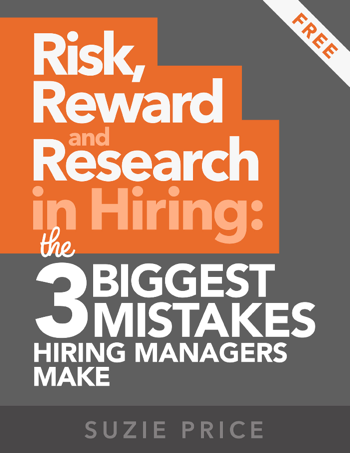
Sign up for our monthly newsletter and you'll get this FREE GUIDE, "Risk, Reward and Research in Hiring" on the three biggest mistakes interviewers make.
Don’t miss our newsletters, blogs or podcasts...