The Know How You Need & the Tools to Get You There... Get Certified >

Wake Up Eager Workforce
Episode 142 Transcript
Episode Preview:
In this episode of the Wake Up Eager Workforce podcast, host Suzie Price explores the power of self-awareness and emotional freedom in leadership. Drawing from her years of experience in leadership development and insights from TriMetrix and Axiology, Suzie explains how understanding your intrinsic motivators can transform your approach to leadership, creating clarity and consistency in your actions.
You’ll learn how to align your personal values with your leadership approach, how to make accountability a natural, energizing force, and why small, deliberate steps lead to big, lasting results. Whether you’re leading a team or working on personal growth, this episode offers actionable tools to help you show up with purpose, build stronger habits, and lead with intention.
Suzie also shares real-life examples of leaders and teams who have embraced inside-out leadership, using these insights to move from reactivity to intentionality. The episode emphasizes the importance of emotional freedom and clarity in leadership and how these principles can drive sustainable success.
If you’re ready to lead with more confidence, increase your impact, and fuel your success by aligning your actions with what truly motivates you, this episode is for you.
Read the transcript for Episode 142 below and discover how to fuel your leadership, build accountability, and wake up eager every day.
Transcript
[00:00:00] Intro : welcome to the 2026 season of the wake up Eager podcast where we're focused on helping you lead with intention build high commitment low drama teams and create a life you're genuinely excited to wake up to let's make this year a year of clarity energy and meaningful impact
[00:00:28] Suzie Price : welcome to a special best of edition of the Wake up Eager podcast so good to be with you what if the key to a high commitment low drama workforce and life isn't another tool but how you lead yourself this is episode 1 42 the inside out leader the best of 2025 podcast and getting ready and we're being built for 2026 you can find the show notes and and complete transcript for this episode at Priceless professional.comslashinside out so we're closing out 2025 and we're stepping into 2026 and I want to name what this year revealed was so much fun recapping what we did on the podcast and I'm excited to share it with you because this year was the inside out leader leaders who stopped outsourcing their energy clarity and emotional state and started owning it
[00:01:30] Suzie Price : the quality of your leadership will never exceed the quality of your inner world so let me ask you something no need to answer out loud if you're listening to this with earbuds and there are people around you but these statements and these questions really helped me think about this past year and I want to share them with you so think about in your work as a leader or with your family and with friends and with colleagues how often did you know what to do but actually didn't do it how often did improvement demand something more of you than you expected can you think of some of those instances how often did slowing down feel harder than pushing harder and how often did you realize sometimes uncomfortably that everyone not everyone thinks like you do and because of that lack of realization or misremembering this conflict followed those questions became the backbone of almost every conversation we had on this podcast in 2025 it showed up in every episode
[00:02:34] Suzie Price : and I was neat to see that all tied together and they distilled themselves into five wake up bigger truths these truths challenge how we lead how we listen how we show up and I'm gonna share them with you we Learned that awareness without action it's just trivia so if we become aware of something we don't do anything about it it's just some insight that you got at when you were playing trivia with a bunch of friends right it doesn't get you far it's far it's fun but it doesn't really help you that the better you get the better you'd better get so a lot more is demanded of us as we progress in our careers in our lives and in our impact that real power doesn't come from forcing it comes from something we don't often expect which is knowing how to relax
[00:03:25] Suzie Price : here's the big one or one of the big ones that no one thinks like you and that's both your superpower yes cause you're special and your greatest empathy challenge so tuning into others and understanding them and appreciating them even when they're very different and then here's something that maybe is the most important because it ties to what I just shared there but the greatest tragedy in leadership in families and in life is those of us who believe that our perspective is the only perspective that matters
[00:04:08] Suzie Price : so that's that understanding differences being curious about what other people are thinking these ideas didn't just spark insight throughout 2025 they gave us direction because once you see these patterns once you stop pretending they're random you realize something important our growth doesn't require an overhaul it doesn't it requires focus on key things that we're talking about here today so instead of chasing more tools more tactics or quite frankly what turns out to be what feels like noise we anchored the wake up of your conversations around three guiding themes themes designed to help leaders make progress without burning out so we're making progress but we're not doing it all at once we're not doing it perfectly but we are doing this intentionally
[00:05:06] Suzie Price : we talked about the 1% solution how small daily alignment creates outsized results over time we explored emotional freedom because leadership gets lighter when you stop fighting your feelings cause we all have feelings we can't act like they're not there and we start listening to them using them letting them flow through us understanding them and then the third is we focused on designing value so that people performance and purpose stay aligned instead of competing for action together these themes became a blueprint for inside out leadership and the foundation we're carrying with us into 2026
[00:05:57] Suzie Price : it's really hard to believe that it's 2026 here in a couple days when I'm recording this I'm excited about it I'm looking forward to it and I hope you are too but let's walk through the podcast episode moments and voices that shared these themes and it's my hope that one of these moments will give you exactly what you need to lead with more clarity and less drama this week and throughout 2026
[00:06:29] Suzie Price : okay so we kicked off the year learning how to quiet the noise Dr Ron Bonnstetter and Carissa Calazzo from the Mind Science Center at TTI Success Insights um my my business partner in the assessments and these are wonderful people they taught us how to move from being reactive to intentional this is from episode 1 29 train your brain transform your game and they shared a three step process and here it is see your brain train your brain change your life so they're all about the brain'cause they're the Mind Science Center and let's listen to them now
[00:07:09] Segment 1 Audio Clip #1 : alright Doctor Ron and Carissa it's so great to have you here thank you for taking the time to share with us today of course thank you for having us I'm glad you're here we're talking today about becoming the CEO of your brain and what we're gonna do is kick off with you telling us about the Mind Science Center and tell us about the three steps that you take executives through um I've got the the short version of it see your brain train your brain and change your life so we wanna hear more about that we wanna hear more about your center we wanna hear some examples about what's happening over there on the great work you're doing and then lastly we'll as we talk about this talk a little bit about how the emotional component plays a part it's probably threaded throughout so tell us a little bit about what you're doing absolutely so over at the Mind Science Center right now we're offering a program where the goal is to essentially increase awareness of your stressors what triggers you what kind of effect does it have on you we want the clients to be able to clear their mind quickly and be able to calm your body and focus your thoughts so the whole idea is to kind of get more of an influence over your mindset and your brain states throughout the day so the first thing that a client would do with us is take a series of TTI assessments so we have them take a Trimetrix HD we have them take a stress quotient so we get an idea of what's stressing them throughout the day or currently in their lives we have them take an emotional quotient so they get an idea of what their level of self awareness is are they able to self regulate very well so it's all about gaining insights for the client and then also for us and then after the client takes those assessments then they meet with their mindset coach to talk about what their brain states are like on a day to day basis so we're asking questions like do you experience a number of emotional highs and lows throughout the day or are you relatively steady um when you do recognize stress in yourself what are you typically doing to cope with it if anything do you recognize that it's happening to you so it's to give us an understanding of how we're then going to coach this person through the different training practices that will implement with them then the last component of that first step is to come into the TTI Brain Lab in Scottsdale and get an EEG brain scan done so we actually help the client see their own brain so we take them through a series of exercises where we analyze their brain data and see what is the brain doing when this person is just at rest what is their brain doing when they're asked to concentrate on an activity what is their brain doing when we ask them to try to rest and relax so we get an understanding of where they're at before they go through the coaching and then the client is always very excited because it's sort of rare to get to see what your brain is doing when you're asked to do different things and you're under different stimuli so that's a really fun part is just to see your brain get a baseline get an understanding of kind of how you operate through your day to day life just ask about the see your brain it's also you know the assessment is kind of them seeing their brain but it's not the same thing as having a and I don't know if you use neural nets or how you check the brain scan but whatever they see their brain kind of the end result the assessment and then they actually can look on a screen so it's a screen that shows where their brain is lighting up and not lighting up is that what it's doing yes so we do use our neural net and we attach it to the head and we get to see brain images to see what what's kicking up for them during different activities or when they're under different stimuli so we get to see what their brain is reacting towards is it really negative is it really positive is it something where they try to rest and relax but their brain isn't relaxing you know they can't center or calm their thoughts so yes it's a really comprehensive experience because you get your assessment results and of course you can identify with your results you can say yeah that's me but then adding on top of it with the brain imaging and they say wow that's what my brain is doing when I'm under stress or that's what my brain is doing when I you know in this specific scenario or environment so it's really rewarding to get to see where you're at before you go into the coaching
[00:11:19] Suzie Price : most leaders are competent but mentally overloaded we can probably all relate to that and Carissa explains why most people don't yet have the neural pathways to clear their mind because they haven't lifted weights in the brain gym great analogy
[00:11:39] Segment 1 Audio Clip #2 : it's interesting cause everybody's so different everybody's internal experience is is different and what we notice is that most people don't really have those neural pathways carved in their brains to actually clear their minds what people notice is actually how busy our brains truly are when you sit and try to clear your thoughts immediately you're gonna start running through you know the list in your brain you're gonna try and sit there and say I'm not gonna think of anything or I'm just gonna clear and center right now but then your brain just immediately starts ping ponging around filling it with more thoughts because that's what you're so used to it's the same as when you would like go to the gym for example if you have never lifted weights you can't go pick up the heaviest weights easily so with the brain if you've never focused on training your brain to clear thoughts or to focus it doesn't really have a lot to rely on in order to do that on command and that's what we're seeking to do with the program
[00:12:36] Suzie Price : then Doctor Ron Bonnstetter shared this from a brain science participant
[00:12:42] Segment 1 Audio Clip #3 : we were talking about the activities this is not requiring you to set aside hours a day but it is requiring you to do things systematically regularly and probably several short periods of time during the day that you initiate this to the point where it becomes a habit since I'm a fitness nut many workouts got to have many yes workout yes not many necessarily but many throughout the day okay one story that comes to mind that I said tell me you know real concisely what this has done for you as a result of this program he said I now have mental armor that I never had I thought that was a cool concept of mental armor that he had a tool that he hadn't possessed before that when things happened in his life he now could deal with those and had a concrete approach and it was not just he could be proactive instead of reactive
[00:13:35] Suzie Price : I love that idea of having mental armor and if we have mental armor we can respond instead of react we can manage ourselves we can use self management and be more resilient so here's your wake up eager takeaway if you're not consciously driving stress will take the wheel leadership begins when you me all of us take the driver's seat now let's move to our next segment which is the 1% solution and we're talking about small intentional wins and this is from I love this episode I think every one of these episodes becomes like my favorite child because each one it just feels so meaningful to me and I'm just so excited to reshare some of this with you um this is episode 1 35 living intentionally how to build a high performance life and here we meet Joe Gagnon a very interesting well spoken
[00:14:46] Suzie Price : dynamic impressive individual in so many ways humility wise and intelligence wise but he is also an ultra endurance athlete and a CEO of technology companies who ran and with the as an athlete he ran six marathons get this on six continents in six days so Joe reminds us in this episode that transformation starts with one push up one mile one paragraph
[00:15:16] Segment 2 Audio Clip #4 : after almost you know 20 years of it found that the making the money the thing that everyone told me was gonna be the goal started to be less and less satisfying and I found myself to be more and more sort of empty and single dimensional you know I literally lost my sense of humor I couldn't understand sort of the the happiness my my wife and kids would be you know kidding around and I'd be like you know isn't there a project plan inside that or something you know and I don't know that it was like oh my gosh all of a sudden from that you then become something else but then the second thing was that I got sort of pushed a little bit into trying to do some physical stuff and I just couldn't you know I couldn't really run a mile I couldn't do a push up and I just woke up one day and I said like this is what you turned into like and and by the way Susie like is this the next 50 years of your life if you haven't lived that long like yeah I was like oh my god no no no no that does not sound satisfying and so that was the beginning of the turning point and it became intentional later in the beginning it was establishing habits I do think habits matter I do think the consistency matters the accountability and that commitment I didn't have a why other than to start to build Joe into something more than a person who could work and so I started with a push up in a mile and a paragraph I always say you know and then I became sort of like those are core to who I am you know I don't just eat and sleep I don't just you know work and do those things I do more every day and so but I had still at this time like over 25 years ago I was still eating meats I was still drinking alcohol I was being like what we would call normal and in fact it wasn't really giving me much and so then little by little and it became performance related in the beginning I think that was the motivation I could perform better as I found out if I stopped drinking I could perform better if I started eating differently
[00:17:14] Suzie Price : you see that's the 1% solution we call it the exponential growth principle which is taking a minimum of 15 minutes a day to reset your mind realign your priorities and over a year that 1% a day that 15 minutes equals 91 hours of stress management
[00:17:36] Segment 2 Audio Clip #5 : I love the the picture that you just shared which was you were starting to feel dull and you didn't ignore it that's the what I kept hearing is the word dull I just felt dull everything's okay but I wasn't excited about things so then you just started looking for answers and and I think what you didn't did differently than some others is you didn't stop looking you kept no right and you were willing to do the one push up and the one run around the block eventually and tell the tell the group here um one couple of your feats that you that that so it starts you know what one thing we talk about is the exponential growth principle 1% a day and in 70 days you're twice improved until a little bit matters and 1% by the way is 15 minutes yeah so if you just do something and you're an example of that that 15 minutes now it's like okay now that was easy I'm gonna do 30 minutes and then I'm gonna do it you know it takes time but we see people that where you are and then we say oh my gosh I don't know where to start but you just painted a great picture of just start
[00:18:34] Suzie Price : and it was so interesting Joe reframed discomfort in a powerful way
[00:18:41] Segment 2 Audio Clip #6 : I love the idea that my failures have been my successes cause I Learned and in the entrepreneurial world that can be accepted at least in our culture maybe not around the world you know I love the idea that discomfort you know I talk a lot about Susie is the signal through the noise and so we often let the noise dictate what we do and don't look for the signal and so discomfort is the noise you know and so I'm in the middle of a race and I'm feeling crummy you know I'm tired I don't know maybe I got a rash you know I'm hot you know yeah everything is feeling bad that's noise and you know how you know it's noise if you were to stop right then within 30 minutes you'd feel fine you'd feel fine right right so we cannot I always like to say discomfort doesn't rise to the level of quit
[00:19:33] Suzie Price : Joe's mantra is very simple and interesting something I've not thought about till he brought it up but that discomfort is just noise it doesn't rise to the level of quit and you know he says in there you know if you stop for 30 minutes you could begin again that's when it's just discomfort so our wake up Eger takeaway small daily alignment builds big momentum and turns setbacks into a new way of looking at it fresh starts okay our next segment we're gonna talk about how emotional freedom is a leadership superpower have you thought about that that's a superpower because once you master your mind and your habits the next leadership frontier is this what we talked about all year this year emotional freedom and then from episode 1 34 feel your way forward and get can't get that word out feel your way forward a discussion about emotional awareness and this is with someone that I admire and who is so interesting and so caring it's he's a former Major League Baseball coach and his name is Douglas White and then we start in the episode we talk about why joy is the matriarch of family emotions so it's an interesting way to think about joy it's the matriarch of family emotions
[00:21:16] Segment 3 Audio Clip #7 : for the five that Douglas and I discussed the number three of the 30 is joy is the matriarch of a family of emotions she won't come into your house if her children are not welcome and so my quick hit on that is all emotions matter and to squelch one squelches our ability to feel all so if we're determined we're not gonna be angry because that we you know don't don't like to be angry we don't wanna feel insecure we you know that we can't acknowledge how we're feeling and then say OK what message is this giving me and how can I move through it or work with it then we lose the ability to feel real joy you know if we squelch one end of the end of the stick if joy's on one stick and angry and self hatred is on the other end of the stick we can't feel them unless we know how to move through them and we can't act like joy is the only thing that matters because there's a whole spectrum of emotions
[00:22:11] Suzie Price : here Douglas reminded us that emotions drive far more of our decisions than we realize and that emotional freedom is a leadership skill have you thought of that and also that we are not our emotions here's Douglas
[00:22:30] Segment 3 Audio Clip #8 : when you decide to come here and be a physical human being you're deciding to come into a world of separation so you're using all of the emotions as the navigation inside of a land of separation and so yes let the joy in and let that be for me like you could say let that be your North Star in the way of just like you said if I'm feeling excitement I know I'm on the path the path I'm onto something you're onto something well that's an interesting statement right there you're onto something even you're on your path is saying if I'm in excitement I'm on my path and if I'm not in excitement I'm not on my path but that's the thing we are always on our path and depending on how you feel is just how separated or not separated you are to the ideal of this path of this one singular path that you think is supposed to be because that's basically why we don't feel good cause most of the time we don't feel good because we were off our path yeah but we're always on the path it's like what do we do with the rest of the emotions if joy is the leading one what do we do with the rest well that's the whole thing none of them are in a hierarchy they're just a frequency none of them are a hierarchy it's just that it's really cool it's really fun it's way more enjoyable to live in joy than to live in struggle period but to live in joy struggles always gonna be in existence you can't do away with existence or sorry with struggle inside of your existence and so we gotta create that relationship with what our emotions for in the first place
[00:24:24] Suzie Price : he makes a powerful case that leaders must stay centered to be truly effective
[00:24:31] Segment 3 Audio Clip #9 : let's look at it from this lens I'm gonna make like two statements here one is you're the center of your universe right right you are the most important thing inside of your world and the second thing is what we talked about earlier is the universe is delivering to you everything right on time in the way it's exactly supposed to be okay so now if you think about those two things 1 if you're the center of your universe the first things first is you have to take care of yourself diligently you have to make sure that you're in a space first and foremost to be of service to others if you choose in a moment to be of service
[00:25:16] Suzie Price : and here Douglas brings it home be real not perfect
[00:25:21] Segment 3 Audio Clip #10 : we're all human beings with our own opinions judgment so on so forth our own feelings so like this is with no context of having a prior conversation with Joe you know that kind of thing right but for the first things first is the it's a very interesting deal these days of how cause again human beings we love to label things we love to separate we love to organize right and so here we are with this statement of emotional intelligence and then you have emotional resilience and regulation and so on and so forth and for me I really like to just use the word awareness I feel like that's a nice blanketed word because for me if you say emotional intelligence it's like oh man like are we braining our emotions like I don't want anybody to brain an emotion because that's the thing that's getting us in trouble in the first place is we're overthinking our emotions instead of getting in touch with how we feel and the awareness comes in through your body the awareness is not through your head you might manage it in your head but it always has to come back to the body cause that we're sensory beings you're sensing an emotion you're not intelligenting I know that's not a word but you understand what I'm saying here you're not intelligenting an emotion I get a little weary because I want more people to be in this soup I want more people to be in this conversation and I also want to do the best we can to leave the labels out of the conversation and just overall it's just an awareness of our emotions and again that's me being a snob and that's being nitpicky that's what I do though cause it's also a coach's lens it's nice to see things from that lens
[00:27:09] Suzie Price : and the wake up your takeaway emotional freedom begins when you stop identifying with your emotions and start listening to them this this whole idea of emotions are a tool not something to be avoided and it really is a new way to look at this and I encourage you to go listen to that episode okay here's our next segment how you drive we're talking about disc we're talking about a motivators and accountability and this is from episode 1 31 how you drive is not who you are why self awareness is just the start so we I share a car analogy and it's a we're at a four way stop you know you got four stop signs it's a metaphor for how the four distyles behave if they end up facing each other at a four way stop the d might run the sign cause they're in a hurry the I waves to everyone or is talking on their phone the s waits patiently and the C checks the rule book and this is from the dis styles d I s C here's a little bit more about that
[00:28:23] Segment 4 Audio Clip #11 : so let me give you an example of how they like to drive around if we imagine all four styles are sitting at a four way stop OK so you've got four way stop what might each style want to do how might they based on their this style strengths and the ways that they like to work and interact and to here's our car analogy drive around what will they do at the four way stop sign so if it's above the energy line that 50 the d dominance is gonna probably run the stop sign they'll be the first one to go they're not gonna sit around and wait on other people and that's because the D's greatest strength is urgency we use another car analogy we call it the bulldozer they they get things done they have places to go and people to see so they're gonna go through the stop sign very quickly and they may or may not but it gives it's a good example of some high these are sitting there above the energy line these are saying I don't run stop signs but they're gonna be the first one to go okay so the high I which is the above the energy line of 50 I influence they wave everyone through before deciding'cause they're just having fun and they like seeing people and it's fun to wave and it's fun to be helpful and they might be talking and not paying attention that could be the other thing if they have somebody in the car they're talking on their phone they're having a lot of fun telling a story they might not pay attention that's another thing that the energy line above 50 with the I influence might do if somebody's above the energy line of a s that's the steadiness they may patiently wait their turn because one of their greatest strengths is being very considerate they tend to work at a steady pace so they're there while they might feel a sense of urgency they don't feel that urgency enough to run through the stop sign and because they're so people oriented they just they're just considerate they wanna make sure everybody's okay um and then the fourth with the compliance the C they're gonna be thinking about what are the rules and they're gonna check the traffic flow before moving and in the compliance style if it's above the energy line likes to be accurate they want to pay attention to the procedures and they really want to get it right so they're gonna be a lot more deliberate and they're not gonna blow through the stop sign it's a funny way to think about the styles but it's also revealing this doesn't tell you who's right or wrong it's just who does what and why it might clash with others the compliance person who does not have d above the energy line they have the C where they want to follow the rules may be very very upset with the d who who runs the stop sign or the I who's not paying attention and isn't getting a move on so get a lot of great insights it's about this is about observable behavior hahaha
[00:31:09] Suzie Price : so that's really fun and it's fun to think about our different behavioral styles and how we interact and it really does take tension out of relationships when we have an understanding of different strengths and different ways of doing things and different ways of driving around that's what we say disc is is how we like to drive around and then let's go into episode one 41 this is wake up eager life own it fueling accountability with what drives you and in this episode we talk about accountability but we also talk about workplace motivators and so workplace motivators is what puts gas in your tank so fueling accountability is kind of the whole car analogy brought in there let's review some of that
[00:31:54] Suzie Price : one of my biggest takeaways this year is that accountability gets easier when it aligns with your motivators so that's a really good insight and it's a new workshop that we're delivering that has been quite successful and a lot of fun it really does help people get excited about accountability takes the charge out of it or the judgeyness out of it and it helps us see where we have superpowers and where we might kind of get in a rut and the understanding with this episode is this episode and this information is when you're in your flow discipline becomes desire so discipline is I I want to do it and self awareness turns should into momentum
[00:32:35] Segment 4 Audio Clip #12 : you know accountability is a top wake up bigger skill because it keeps your energy clean keeps your mind clear and your relationships strong so there's top three takeaways from day today and they are accountability gets easier when it aligns with your motivators so that's gonna be a big aha it was for me even as much as I do this work every time I look at it and look at my motivators I get insight into what I lean into and what I might lean away from and helps me become more accountable and understand my behaviors around certain things because it's what I what energizes me and what doesn't so we're gonna look at that so that when you understand this you'll stop feeling like accountability is discipline and you can make it start feeling like momentum and there's this is a quote I really like it's unknown I don't know who said it but when you're in your flow discipline becomes desire and that's what we want want you to want to do what needs to be done and with self awareness and understanding and with this tools that we're gonna talk about today you're gonna get that the second takeaway for today is every motivator has a strength and a blind spot so each motivator which we're gonna talk about you'll be able to look and learn about yours can support or sabotage our follow through so we wanna we wanna be aware of that and we wanna work through that and manage ourselves Aristotle reminded us that knowing yourself is the beginning of all wisdom there's more wisdom in this because we're gonna know what pulls us like I said earlier and what what causes what drains us and we'll understand our reactions and then we can manage those the third takeaway is that accountability go grows through small deliberate steps you'll be able to create an accountability action plan a very simple thing that you can think through or may hopefully write down at the end of the episode and this action plan is going to anchor your wins review your opportunities help you make them motivator connections and help you come up with some measurable next steps
[00:34:50] Suzie Price : and in that episode I talk about this simple GPS that I keep coming back to and it's four letters Rev Rev it's an acronym for Opportunity Conversation leaders can have r is remove barriers e is clarify expectations and V is verify job fit and we're gonna do all of that consistently and if we do this accountability becomes a shared language with someone as opposed to a struggle or stress point or defensiveness
[00:35:24] Segment 4 Audio Clip #13 : so accountability begins with leading yourself first and every accountability moment asks am I adding clarity or am I adding drama so these insights reveal something important accountability isn't about blame it's about clarity and when clarity is missing accountability almost always falters and so we developed this this model this Rev accountability model R E v each letter is an acronym it stands for an action because we ran into this so much that it's the clearest this is a very clear simple diagnostic tool it can become your accountability GPS and it will show you where clarity is broken down why someone is stuck and what to do next just follow the process so you can you can use Rev r E v so you stop guessing and you start leading with confidence
[00:36:27] Suzie Price : so the wake up eager takeaway for this segment so a fresh way to look at accountability that accountability isn't blame it's clarity that fuels self motivation I love that new awareness alright we're going into another segment we're talking about hiring and leading with wisdom here in episode 1 32 we talk about the only 4 questions you'll ever need hiring and leading with wisdom and it was with Alan De Niro and he introduced one of my favorite hiring filters
[00:37:10] Suzie Price : I think you're gonna like it too it's the deal breaker question so if you're not using this you're gonna want to listen to it I would suggest you listen to his four questions because the points he makes he's very eloquent and again this is another one of my favorite children hahaha your favorite baby when you listen to episodes like that was really good really good and what they share and their intentions and just good people I just so fortunate but the deal breaker question is what we're talking about here it helps you skip performance theater okay so we're asking these questions that don't really matter and get to real fit fast you want to know about the deal breaker question here's Alan
[00:37:48] Segment 5 Audio Clip #14 : the list of things that are bad are what I call deal breakers in other words I didn't know about that and I can't live with that I didn't know about this but I can live with this the list of things we can't live with are called deal breakers meaning I think I'm gonna start looking for another job even though it's only been two weeks so the third question is exactly that with that explanation tell me Susie what in a new situation in a new job in a new setting what are your deal breakers now remember I've said all of us have deal breakers I have deal breakers and so why do I ask this question very simply this I don't like train wrecks a train wreck is when a new situation with an employee doesn't work out and either the company goes to the employee and says you know what this isn't really working out we're gonna have to part company or when the employee says I'm sorry but I'm leaving that's a train wreck and train wrecks are bad for everybody they're bad for the company because now you have turnover now you have to start over now all of the peers of that person say why did Susie leave she only been here two weeks or she's only been here two months why did she leave and if you're Susie you're now explaining to some future employee Susie I see you were only with Allen's company three months or four months or six months what happened
[00:39:30] Suzie Price : now Allen uses an example of an engineer and highlights this is something I've known for a long time and you've probably known once but maybe because you're not living in this training in the consulting world all the time you might forget it so I want to bring it up and Alan's going to talk about some more but technical proficiency is rarely the cause of failure instead it is bad culture values or organizational fit that leads to poor performance
[00:39:57] Segment 5 Audio Clip #15 : one of the things I love about your assessment tool and it's not it's consistent with the model of interviewing we're discussing is think about this especially especially in middle management upper management senior management my question when I speak to audiences is how many times does that person fail because you hired them to be an engineer or you hired them to be a software writer or you hired them to be something else and how many times do they fail because they didn't have the technical experience to be an engineer and the answer frankly is very very seldom do they fail because of technical skills they fail because of the things that your assessment tool looks at your assessment tool looks at behaviors your assessment tool looks at culture it looks at how people act and how people learn and how people react
[00:41:03] Suzie Price : and then you uh if you listen to the podcast you know how listening how important listening is how what an important leadership skill it is and so this is Alan's rule for leaders and I'm challenging you to take this on and what he says is listen three times before you speak I like the three listen three times before you speak try to do that in your next couple of conversations see what happens he describes it as a rule of thumb for high eager environments so people who are are you know moving fast and everybody's really confident so that everybody thinks they know what they know you know so he's suggesting that leaders should listen once twice and a third time to ensure they truly understand a situation or a person before jumping in with an opinion use this with your kids use it with your spouse use it with your colleagues uh make sure ask questions this is what this is talking about here's Alan
[00:42:02] Segment 5 Audio Clip #16 : a great leader low eager listen listen listen and make sure you have somebody in your life who is willing to tell you the truth some people call it a contrarian some people call it a truth teller
[00:42:20] Suzie Price : and finally in the podcast Allen talks about his mentor and he tells a great story about how he Learned this but his mentor was one of his mentors was Foster Mcgowan and it's a guiding principle for leadership and professional service and it is one of our wake up eager takeaways and this is and this is part of that listening listening listening thing but always give more than you get and leave more than you take it's very interesting a how how his mentor shared this with with everyone in a big meeting always give more than you get and leave more than you take what a great way to live
[00:43:07] Suzie Price : alright so we're in another segment Designing Value Axiology in action this is episode 1 37 and the title Designing Value How Axiology shapes Powerful Brands Teams and trust and it's with one of my favorite people Catherine Foster she is our brand strategist here at the uh wake up Eager podcast and at Priceless Professional Development and so in this segment Katherine is so brilliant she's so young and so talented she explains that when a brand is out of alignment it is usually due to an and under our over evaluation of one of the three dimensions that we talk about in the acumen part of the assessment so
[00:43:52] Suzie Price : and you don't even need to know the acumen assessment but just know that we're measuring three dimensions people tasks and ideas and another way to say it is intrinsic extrinsic or systemic and so Katherine is using this in her branding cause you need balance you gotta have the rules and the ideas and a balance between that and the task and then the connection in the people part so she knows that this lack of balance can lead to wasted resources diluted impact and customers not trusting the brand's messaging so if they're out of balance that is something that this you can use this to help figure that out and find the correction here's Catherine
[00:44:36] Segment 6 Audio Clip #17 : talk a little bit about how you're integrating axiology into branding and then when brands what you've noticed when brands are out of alignment with the dimensions of axiology yeah yeah I mean I think we'll we'll talk so much about it but I think axiology is one of those things where it really does apply to everything and anything so a couple years ago I was kind of searching I had been exposed enough to axiology but my industry was branding and normally axiology informal axiology the Hartman Value Profile is applied to kind of employee development and organizational business but it's not really applied to marketing so I was just doing some googling and came across this article by uh these two researchers at some university I think in the Netherlands Jay Matson and S Barnes and I just want to give credit where credit is due but they were investigating marketing messages and axiological relationships and kind of how it all intertwined and I read it it went completely over my head and I stepped it away in a file for a couple years then I kind of pulled it back out and started really working with it and really kind of built an additional framework on top of what they had created to apply formal axiology to branding and overlay them onto the brand experience which is what I do professionally so it was kind of like a little exercise and how do I take the systemic the extrinsic the intrinsic these sort of like large ideas and then how do I map them onto areas of branding like we talk about like brand positioning or brand promise or brand affinity and sort of where this all melds together as sort of some extreme Venn diagram and it's been really fun to do it's still very early in its application and and how we're working with it but I think it's got a lot of promise for how we build brands that actually have good meaning in the world but when it comes to when a brand is like out of alignment with its core values or with with its axiological positioning it's not usually because like a product or a service is weak and it needs to be sort of redone but it's usually because of an under or overvaluation of one of those areas of axiology the intrinsic the extrinsic or the systemic and there's not that sort of balance within each of those three dimensions and axiology then of course just gives us the language to talk about those things and ask questions and implement new tactics that relate to those different dimensions and create kind of a more right structure or right order out of those three things and it creates that sort of measuring rod of meaning which is obviously what Hartman himself who developed it uh talked about with formal axiology and it can manifest in a lot of different ways I think from a brand perspective brand is so much internal and external it can manifest with employees being really disengaged from like a brand mission it can manifest with employer or with customers not really trusting the messaging that you're putting out as a brand it can also come from like leaders making decisions on behalf of their brand that are confusing or disjointed from an overall mission over an overall message but it's mostly just wasted resources and diluted impact is really what it comes down to
[00:47:34] Suzie Price : now here's an introduction of a what I think is a brilliant idea it's a take on the Net Promoter Score and it's actually the Axiological Net Promoter Score which is measuring emotional practical and infrastructural fulfillment so new idea that Katherine came up with through her work with axiology and it's just an interesting concept to apply these three dimensions to what people are saying about you and your company
[00:48:03] Segment 6 Audio Clip #18 : the axiological Net Promoter Score talk a little bit about what that is for you're using it with axiology some people might know what the Net Promoter Score is but what is it and how can it be used this was again that sort of attempt to how do we put all of this mathematical I mean this complex math that exists within the Hartman Value Profile how do we simplify that math for brand owners and make this something you can actually apply really quickly to a business and you know an NPS score is a pretty standard business metric you sort of it determines basically this overall would you recommend us based off a series of statements then you have that's been developed of course now for employees so EPS is a really common measurement to measure employee engagement so I was like alright well this framework this connotation already exists what if we do the a N P s the axiological net promoter score and it basically asks across those kind of nine statements well we've been talking about three of them with the intrinsic so there's three for each dimension and then one overall statement but it really asks where are we aligned and what's going well how well is this brand doing axiological within these nine dimensional statements and then this one overall statement so it kind of just ranks them I made a joke when I presented this I'm like I'm no statistician I can't really do I'm not a math person but I did my best to sort of weight them according to you know Hartman's original intent which is the I over the e over the s and weight them within each cateagerry to create a measurement system and normalize that into a score and it's an interesting framework I would love to implement it with a couple clients and kind of see where it goes it's very early in its development I think I might be the only one who's ever called at this well that's why you're the leading edge thinker that you are I think it's fascinating and I don't think it has to match even Hartman's you're using the framework of Hartman just to get people to think about help people think about their brand in a practical way
[00:50:00] Suzie Price : and now the ultimate benefit of an axiological brand alignment what we're talking about here is we move from transactions into something much bigger and more meaningful and much more sticky what I always say is sticky sticky meaning people want to be with you they want to use your brand you move from transactions I buy this and I move on to legacy and the biggest one of all trust
[00:50:28] Segment 6 Audio Clip #19 : what's the benefit of having an axiolically aligned brand at a very high level if I were to tie it up with a bow I think it's that your brand has transcended transaction and moved into a space of legacy and sort of permanence that you're not sort of a ship in the night of a brand you know you're not here one day gone the next that you're you have sort of this permanent legacy when you're doing this intrinsically focused and sort of trickle down effect to your extrinsic and your systemic I think you build better trust across your customers and your employees and I think trust is the foundation for for success in so many different arenas and I think you have just a legacy of goodness right axiology is all about creating good and the more you can create good as a brand I think that legacy will do everyone well including yourself
[00:51:18] Suzie Price : the powerful wake up your takeaway here is is to think about people first connection first the intrinsic first that's your strongest bet and then with that the real win is a balance across all three so you don't throw out all the other stuff the rules the ideas the action but you try to keep them in that hierarchy alright every interaction is branding a meeting a coaching moment a handwritten note on an invoice a message you send to a a colleague or a client a text always remember the hierarchy of value people before action before ideas because the most effective leaders don't lead from the outside in they lead from the inside out
[00:52:18] Suzie Price : so carry this with you into 2026 this is the inside out approach I lead myself first and I lead with honesty courage and energy I own my actions that's that accountability I honor my discommunication style and my motivator strengths'cause when we do that those are some of our greatest strengths I create success and I remember each morning I am born again what I do today is what matters most so leave all that other stuff behind and think about today is a new day I'm born again and what I do today is what matters most which I do next is what matters most lead with purpose reduce the drama and keep building your wake up eager life I'm so excited about 2026 I'm so excited to be able to do this work and to that you tuned in and I can't wait to see you in 2026 and we'll see you on the next episode and reach out anytime take care
[00:53:42] Outro : thanks for spending time with us on the wake up eager podcast if this episode sparks something for you share it subscribe and keep choosing a high commitment low drama way of working and living until next time wake up eager
LET'S TALK:
Contact us to schedule a Complimentary Consulting Call
or to ask questions about any of our Hiring,
Coaching, Training and Assessment services.
About Priceless Professional Development
We help you use the science in the TriMetrix Assessment to reduce drama and build an energetic, committed wake up eager workforce.
Our work helps reduce turnover and improve your productivity.

Have you ever hired the wrong person and lived to
regret it?
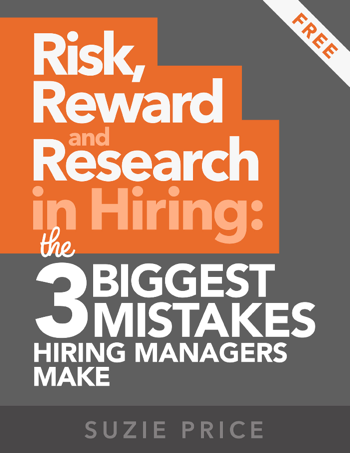
Sign up for our monthly newsletter and you'll get this FREE GUIDE, "Risk, Reward and Research in Hiring" on the three biggest mistakes interviewers make.
Don’t miss our newsletters, blogs or podcasts...