The Know How You Need & the Tools to Get You There... Get Certified >

How to Spot Burnout Early
Through DISC Behavioral Style Cues

If you’re constantly exhausted by work, having a rough day every day, or find yourself disengaging from tasks that used to excite you, you might be moving from stress into burnout.
That’s because burnout doesn’t usually hit all at once. It takes time and will take a significant toll on both workers and their organizations. Recent research from SHRM revealed that workers experiencing burnout are three times more likely to be looking for a new job. They’re also less likely to go above and beyond what’s expected of them in their roles.
It’s a serious problem, and it’s coming for workers everywhere. So, how do leaders prevent burnout in the workplace? By paying attention to behavioral cues. Every person has a baseline behavioral style, which is the way they naturally show up when they’re energized and engaged. This style can be revealed through using the right tools—when you understand what your team needs, you can discover when their behavior shifts in response to stress.
Here’s how to understand baseline behavioral styles, spot the warning signs, and take practical steps to support your team. (More about DISC Styles, here.)
Dominance (D) Style Above the 50 Energy Line: Short Temper and Snap Decisions
People with the Dominance (D) Style Above the 50 Energy Line are ambitious, decisive, competitive, confident, and positive. As natural leaders who like to take charge, they prefer clear, concise conversations that focus on facts and details over enthusiasm.
In times of stress, they can become rigid and overly controlling. They might become impatient with routine tasks and avoid communicating or asking for the opinions of others because they feel they don’t have time. Direct workers in burnout often are quick to make impulsive or risky decisions just to “get it done.” Their usual confidence can harden into arrogance or combative behavior.
What Helps When Dominance(D) Style Above the 50 Energy Line is Experiencing Burnout? They need to protect their decision-making time. Remove unnecessary meetings and help them prioritize what matters most, reinforcing boundaries around work hours.
The good news is that this style tends to be clear with their behavioral cues. It’s easy to spot their burnout under extended periods of stress. If your Direct peer comes across as extra controlling or aggressive, they might be experiencing burnout.
Influence (I) Style Above the 50 Energy Line: Self-Promoting Insincerity
People who have the Influence (I) Style Above the 50 Energy Line tend to be outgoing communicators are people-oriented, optimistic, and enthusiastic. They are creative problem solvers and are skilled at negotiating conflict. They want action and intention upfront and tend to strongly believe in their own ideas and dreams.
In times of stress, they can double down on their enthusiasm. This heightened talkativeness can come across as insincerity. They can appear self-promoting or lacking focus, and may mask their fatigue by expending more energy, which can contribute to faster burnout.
What Helps When the Influence (I) Style Above the 50 Energy Line is Experiencing Burn out?They may need help setting parameters. Set clear deliverables, give them accountability partners, and over-communicate needs. If you focus on empathy and collaboration when offering this instruction, you’ll likely get buy-in from the this person. They’ll appreciate the consideration and feel better supported to handle stress.
Steadiness (S) Style Above the 50 Energy Line: Defensive and Possessive
People with the Steadiness (S) Style Above the 50 Energy Line are considerate, compassionate, and accepting of others, but might seem indifferent or hesitant on the surface. They prefer a slow pace, defined responsibilities, and clearly outlined expectations.
In times of stress, the person with the Steadiness (S) Style Above the 50 Energy Line can become possessive of their work. They might not want to share responsibilities or details for fear of being derailed, and tend to slow down under pressure, seeming stubborn and anxious about change. They can become defensive about small requests and show visible signs of fatigue when their workload increases.
What Helps when the Steadiness (S) Style Above the 50 Energy Line Communicator is Experiencing Burnout? Steady communicators care deeply about the quality of their work, so burnout can take an especially severe toll on them. Get back to basics with your Steady team member and re-evaluate timelines with built-in buffers for more working and thinking time. Reframe priorities together and help them trim down responsibilities so they aren’t taking on extra work. Acknowledge their contributions and let them know how much they are valued!
Compliance (C) Style Above the 50 Energy Line: Perfection Paralysis
The person with the Compliance (C) Style Above the 50 Energy Line are dependent, neat, careful, and compliant. They want to get the job done right and thrive on establishing routines and processes to follow in the workplace.
In times of stress, the Compliance (C) Style Above the 50 Energy Line tends to double down on their processes, becoming rigid and inflexible. They might micromanage their teammates and want to do everything themself so it’s done “right”, and can become critical of feedback and irritable when plans change. During burnout, they can become hypercritical, nitpicky, and paralyzed by the need to be perfect.
What Helps When a Compliance (C) Style Above the 50 Energy Line Communicator is Experiencing Burnout? While experiencing burnout, they need clear criteria more than ever. Establish what a project looks like when it’s completed and limit the refinement period for their work. Help them see the quality of their work by celebrating progress over perfection. While you do that, make sure to prevent changing things up on them as much as you can.
BOTTOMLINE: Burnout doesn’t look the same for everyone, and neither does recovery. The good news is that by understanding the baseline behaviors of your team, leaders can catch stress before it shifts into burnout with early intervention and increased awareness of what each team member needs.
LET'S TALK:
Contact us to schedule a Complimentary Consulting Call
or to ask questions about any of our Hiring,
Coaching, Training and Assessment services.
About Priceless Professional Development
We help you use the science in the TriMetrix Assessment to reduce drama and build an energetic, committed wake up eager workforce.
Our work helps reduce turnover and improve your productivity.


Have you ever hired the wrong person and lived to
regret it?
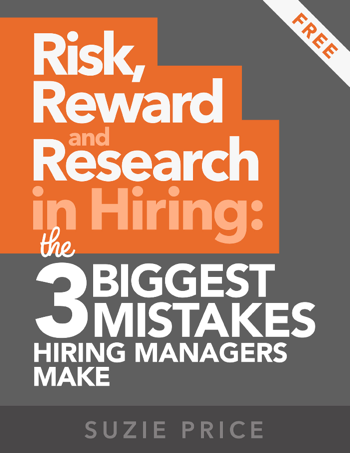
Sign up for our monthly newsletter and you'll get this FREE GUIDE, "Risk, Reward and Research in Hiring" on the three biggest mistakes interviewers make.
Don’t miss our newsletters, blogs or podcasts...